
Build a better setlist
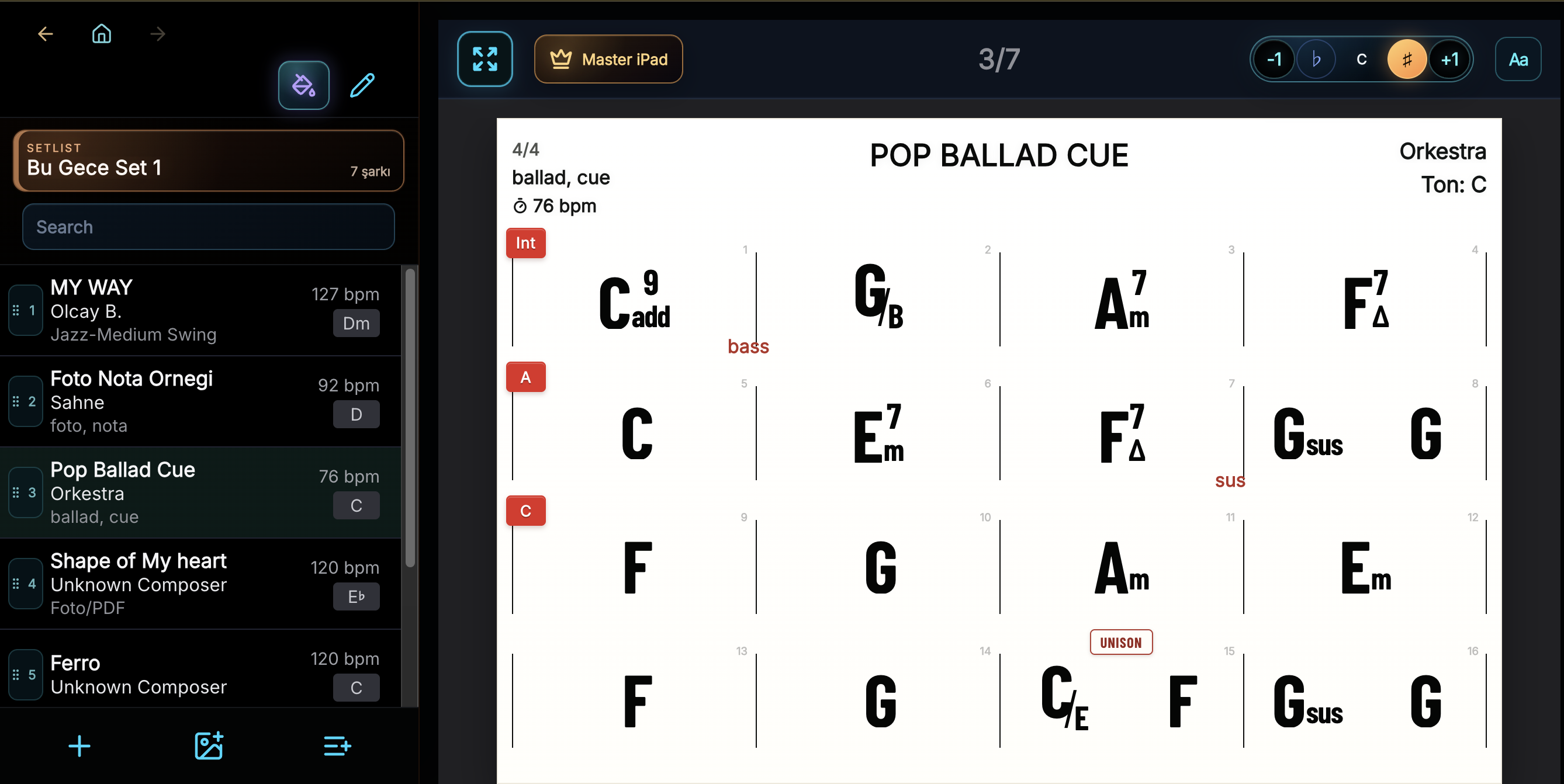
Plan a concert or rehearsal setlist around duration, energy, keys, tempos and realistic transitions, with a practical final rehearsal check.
Define the performance first
A useful setlist is more than favourite songs placed in a row. The available time, venue, audience and band’s preparation all shape the order. Before choosing songs, describe the boundaries: how many sets, whether there is a break and whether instrument changes or introductions need time. Then choose material that can realistically fit.
A rehearsal setlist serves a different purpose from a concert setlist. In rehearsal, placing difficult transitions next to each other can be useful. During a performance, the audience’s experience matters more. When exploring FeraStage Setlists, keep a separate running order for each purpose.
Include the space between songs
Adding recorded track lengths is only a starting point. Applause, talking, tuning and equipment changes also use stage time. If you want twelve songs to fit into an hour, measure the live arrangements rather than relying on album durations. Include the extended solo and the count-in that happen in your version.
You might sketch a block of music and leave room for transitions, but no single allowance fits every act. Time your own rehearsal. If you regularly remove several songs at the end, the original schedule is probably too optimistic. Keep the measured information with your working notes.
Balance energy with practical playing
Choose an opener the band can enter confidently together. Check that the middle does not accidentally group every song at the same intensity. A strong song also gains meaning from what comes before it. A calmer section can create space for a more energetic return.
Vocal range, capo changes, guitar tuning and drum setup can all affect the order. Two demanding vocal songs in succession may need more consideration than their tempos suggest. Find a balance between the musical arc and technical preparation; sorting by BPM alone does not create a convincing set.
Write the information you need
A song title may not be enough on stage. Key, tempo, starting cue, ending and who gives the count can provide a shared reference. Keep detailed chord or drum writing in its own readable page. Avoid turning a setlist row into a long rehearsal conversation.
A note such as “last chorus twice, finish together” is short enough to use during performance. If a transition repeatedly causes confusion, turn the decision into one clear instruction. Explore FeraStage Songs, Preparation and Click Setlist according to those needs, rather than forcing every detail into a single list.
Rehearse the complete order
The final check is not playing each song separately. Run the order with introductions and transitions included. This is where unexpected gaps become obvious. Agree on what happens if a song is dropped and which reserve song works when the set needs to be shorter or longer.
Open the final version on your actual stage device. Check long titles, keys and start cues from a realistic reading distance. If you intend to use shared control or account pairing, test it with real accounts before the show. An unrehearsed connection should not be your only way to follow the set.
- Choose an opener, closer and reserve songs.
- Measure live arrangements and transitions.
- Run the final order in the real performance setup.
Bring it into FeraStage
Explore the product overview in English, then begin with a small example. Account and workspace screens may be presented in Turkish.
Explore SetlistsCreate your account