From preparation to stage
Explore a musician’s workflow from notation and drum writing to setlists, vocal preparation and discovering collaborators with FeraStage.
Explore the workflow
Drum notation, setlists and a repertoire that works for you. Practical guides to discover FeraStage and bring your music together.
Explore a musician’s workflow from notation and drum writing to setlists, vocal preparation and discovering collaborators with FeraStage.
Explore the workflowExplore a musician’s workflow from notation and drum writing to setlists, vocal preparation and discovering collaborators with FeraStage.
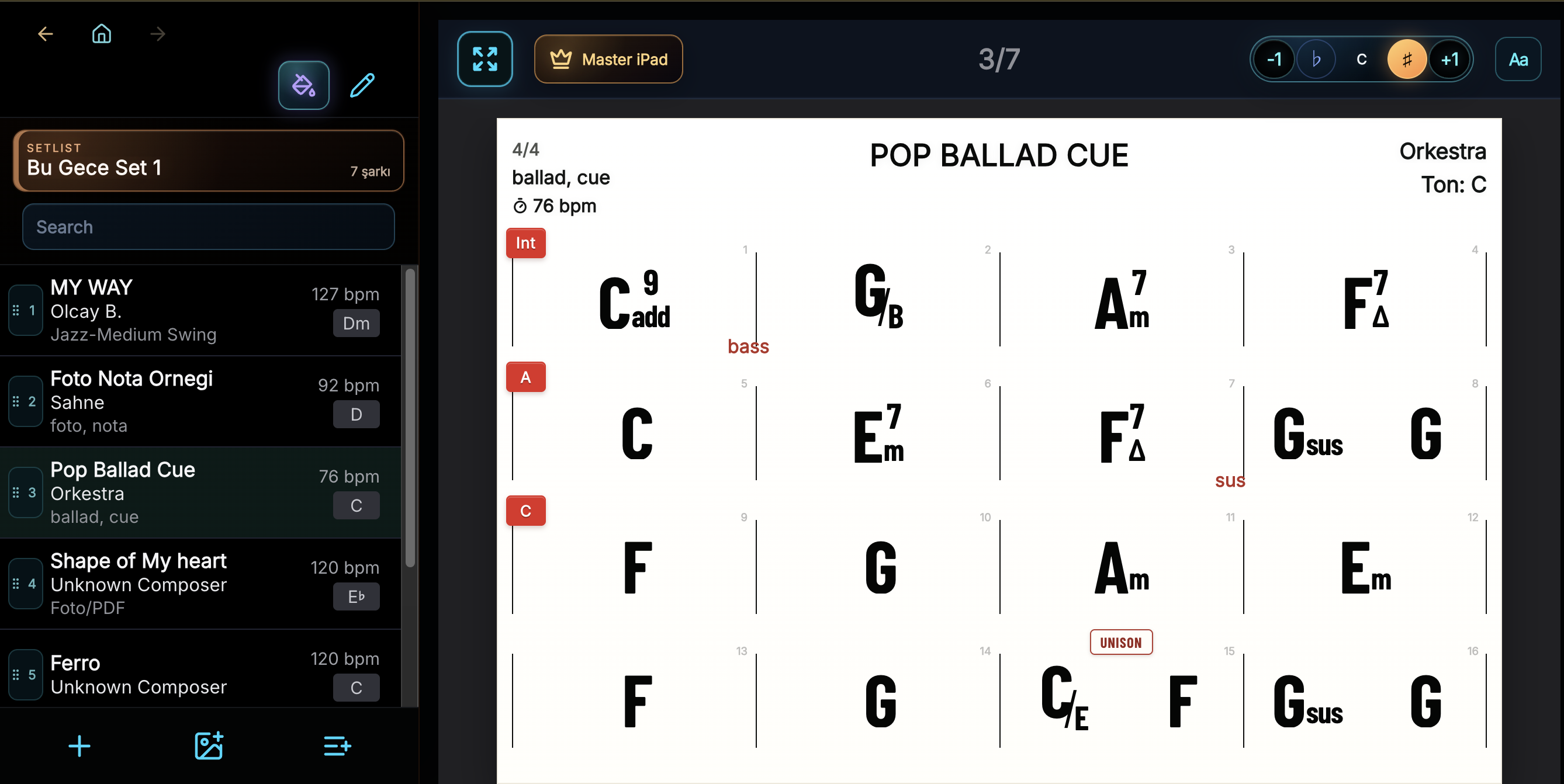
Plan a concert or rehearsal setlist around duration, energy, keys, tempos and realistic transitions, with a practical final rehearsal check.
Turn scattered song files into a useful digital repertoire with consistent names, clear arrangements and readable charts for rehearsal and stage.
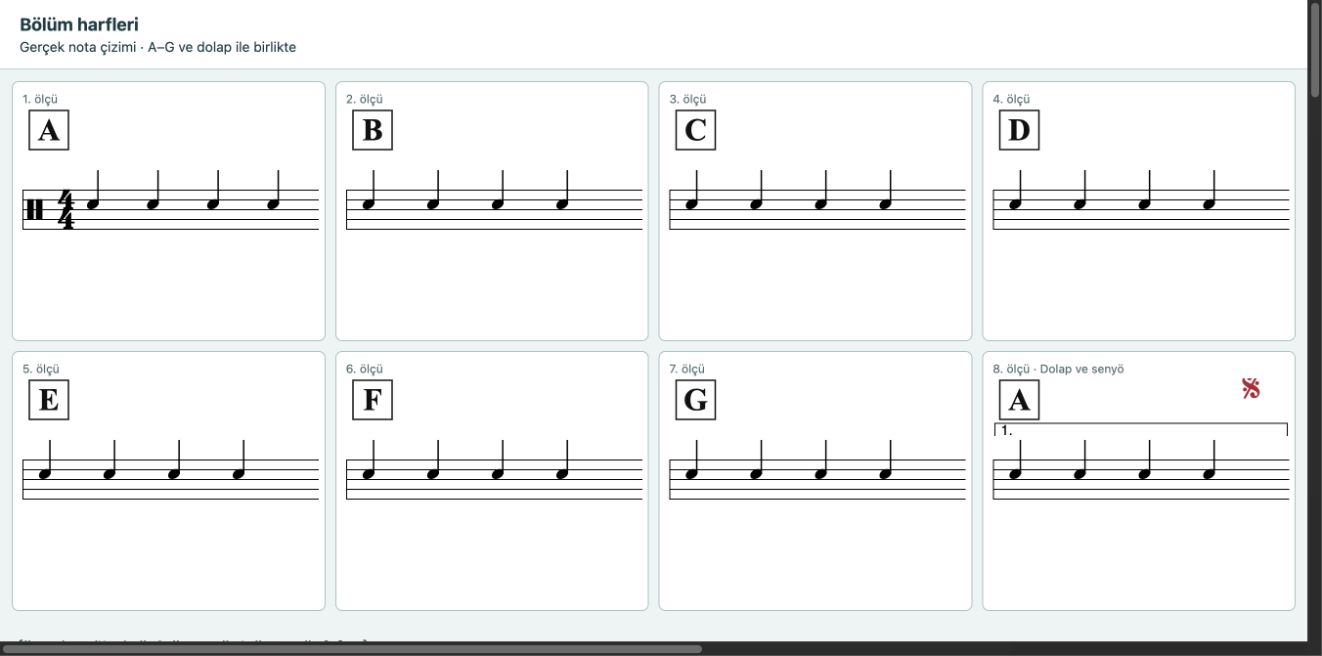
Build a readable drum chart from a simple groove, place kick and snare accurately, and rehearse fills with FeraStage Drum Paper.
Plan a band rehearsal around agreed arrangements, difficult sections, transitions and clear next steps. Explore FeraStage’s rehearsal preparation tools.
Find musicians through musical context: instrument, location, genre and project expectations. Build a clear profile and a thoughtful invitation to collaborate.
Build a focused metronome routine, from choosing a comfortable BPM to hearing subdivisions and checking your click in the rehearsal setup.
Prepare notation and setlists for stage reading. Check iPad visibility, audio, power and connections in a practical rehearsal sequence.
Choose a notation app around melody, chords, drum writing, readability and file needs. Test a short musical example before moving a repertoire.
Evaluate a setlist maker around song order, repertoire, key, tempo and stage readability, using a small concert or rehearsal example.
Separate a basic groove into layers. Place kick, snare and hi-hat on the same timeline and check the notation legend before you write.
Distinguish note and rest durations in a short 4/4 drum example. Check each layer and show the silent spaces in your rhythm clearly.
Plan a groove, short fill and return to the first beat in an original four-bar drum exercise. Write the transition around its role in the song.
Turn a short musical idea into a readable notation or chord page. Choose its purpose, page type, section order and a simple review routine.
Plan song order, vocal keys, instrument changes and duration for an acoustic performance. Evaluate your set using a short example sequence.
Build a rehearsal setlist around decisions to resolve. Fit new songs, difficult transitions and a full run-through into the available practice time.
Explain your instrument, musical interests and project expectations clearly. Prepare a short profile and a practical first connection through Stage Network.
Keep alternate keys and arrangements clear in your repertoire. Use consistent names, select the intended concert version and record rehearsal decisions.
Explore the tools behind these guides, then choose where your own workflow starts.